Liquid clarification and concentration

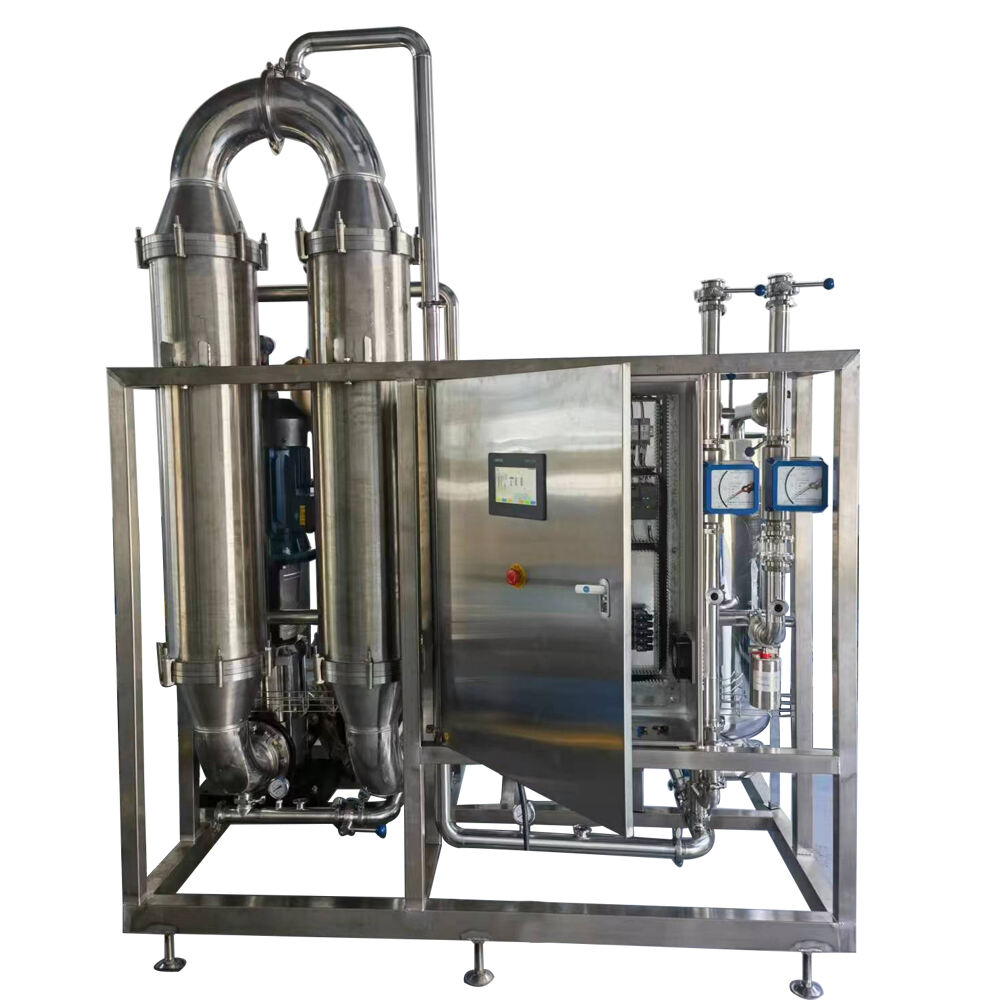
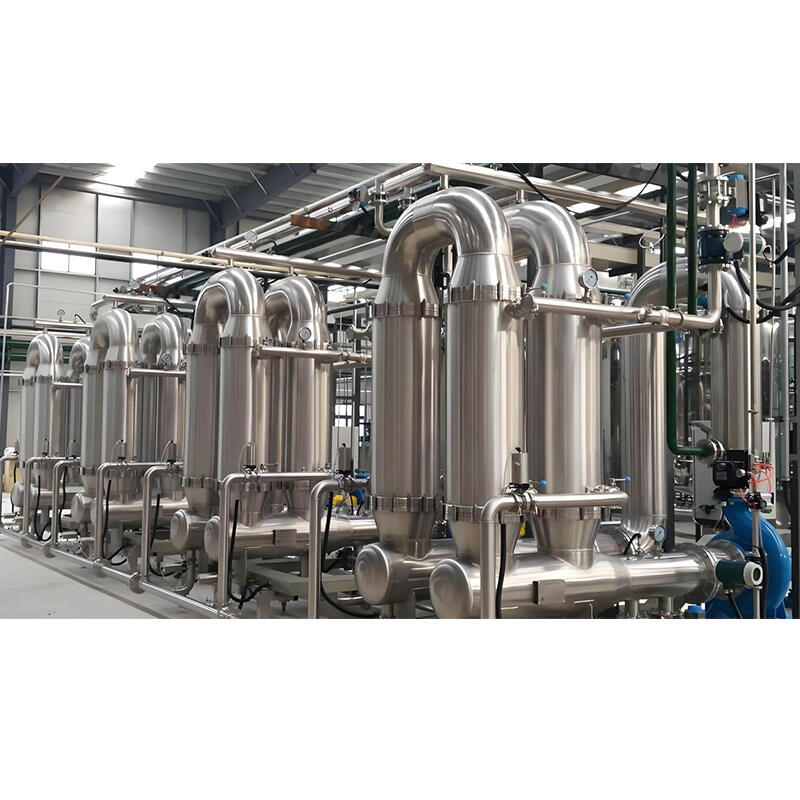
Ceramic membrane cross-flow filter
Ceramic membrane filtration is a fluid separation process in the form of "cross-flow filtration". Driven by pressure, the raw liquid flows in the membrane tube, with small molecules passing through the membrane while the concentrated liquid containing large molecules is retained by the membrane, thereby achieving the purpose of liquid separation, concentration, and purification.
The filtration accuracy of ceramic membrane is generally based on microfiltration, and the commonly used filtration pore size is 50-800nm.
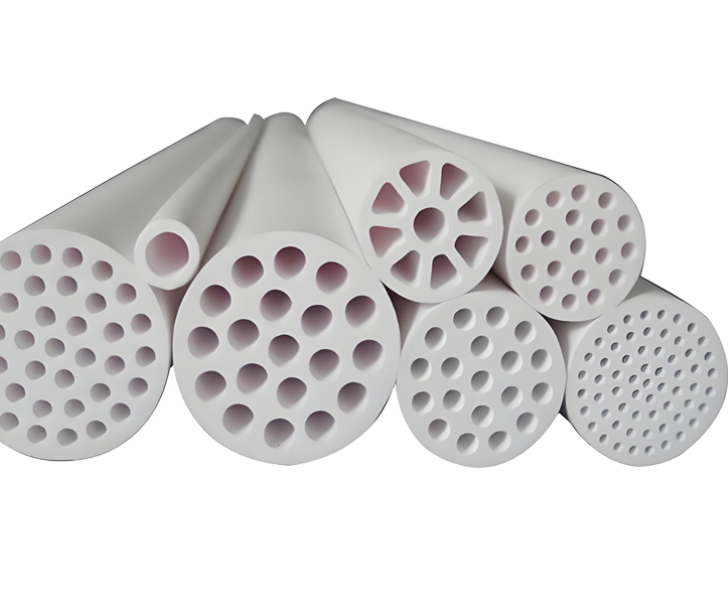
VOCEE Ceramic membrane Features
1.High mechanical strength and good wear resistance;
2.High temperature resistance, suitable for high temperature filtration processes;
3.Low pre-treatment requirements, suitable for high concentration viscous liquid filtration;
4.Wide pH tolerance range, good resistance to acids, alkalis, organic solvents and strong oxidants;
5. Easy to clean, can be high-temperature sterilized and backwashed, suitable for sterilizing filtration processes;
6.Long service life, with a lifespan of over 5 years;
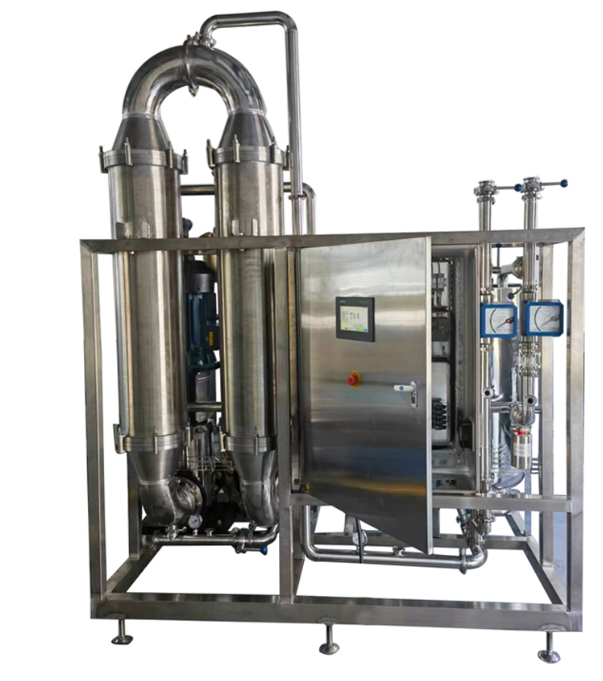
VOCEE Ceramic Membrane Filter Process advantages
1.High packing density of membrane cores and low cost per unit membrane area.
2.Low operating pressure, low requirements for mechanical components such as pumps, and low energy consumption.
3.High system recovery rate, excellent product quality, and efficient separation, purification, and high multiple concentration of materials.
4.Advanced system process design, high degree of integration, compact structure, small floor space, simple operation and maintenance, and low labor intensity.
5.The control system can be customized according to the specific requirements of users. Combined with advanced control software, it can monitor important process operation parameters online and centrally on site, avoid human errors, and ensure the long-term stable operation of the system from multiple aspects.
6. Reduce production costs, shorten production time, and achieve maximum economic benefits.
Application fields
1)Sterilization and clarification of fruit juice, vegetable juices, beer and wine.
2) Sterilization, clarification and filtration of condiments (such as soy sauce, vinegar, etc.)
3) Clarification and filtration of fermentation broth in the antibiotic industry, vitamin industry and amino acid industry;
4) Clarification and filtration of enzyme preparation fermentation broth, and sterilizing filtration;
5) Clarification and separation of herbal medicines and plant extracts, replacing alcohol precipitation and centrifugation;
6) In the deep processing of tea, the clarification and filtration of tea extract solutions and tea juices require a high-temperature clarification and filtration process. 9)Wastewater from cold rolling of steel and metal cutting containing oil emulsions.
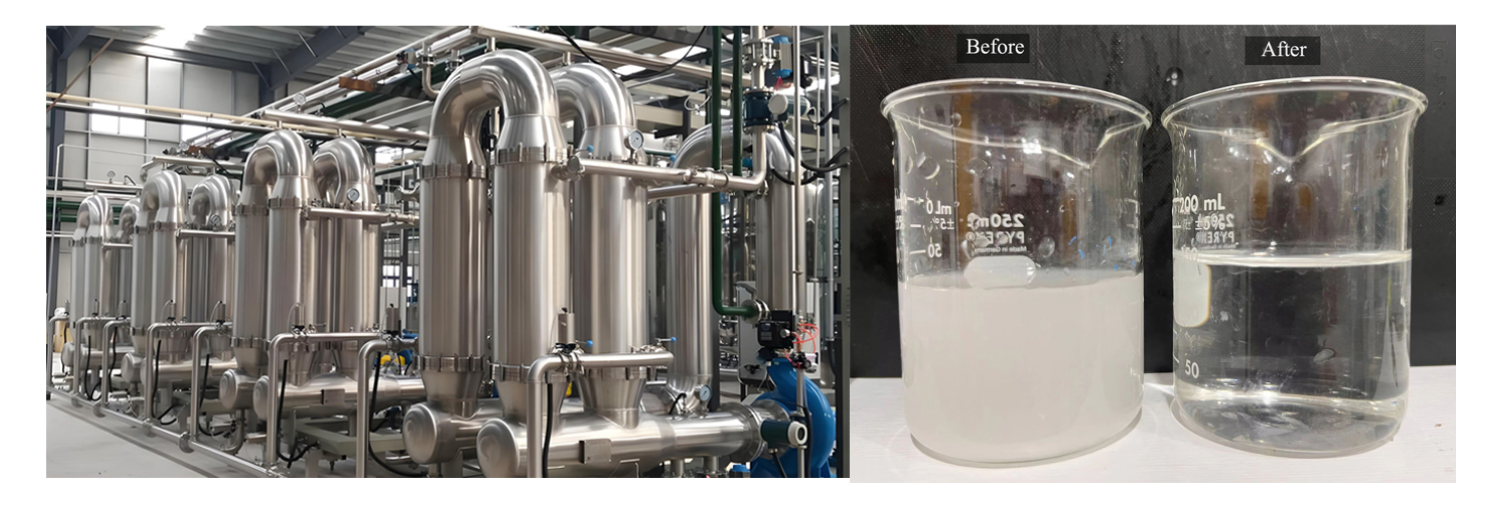
Ceramic membrane cross-flow filter
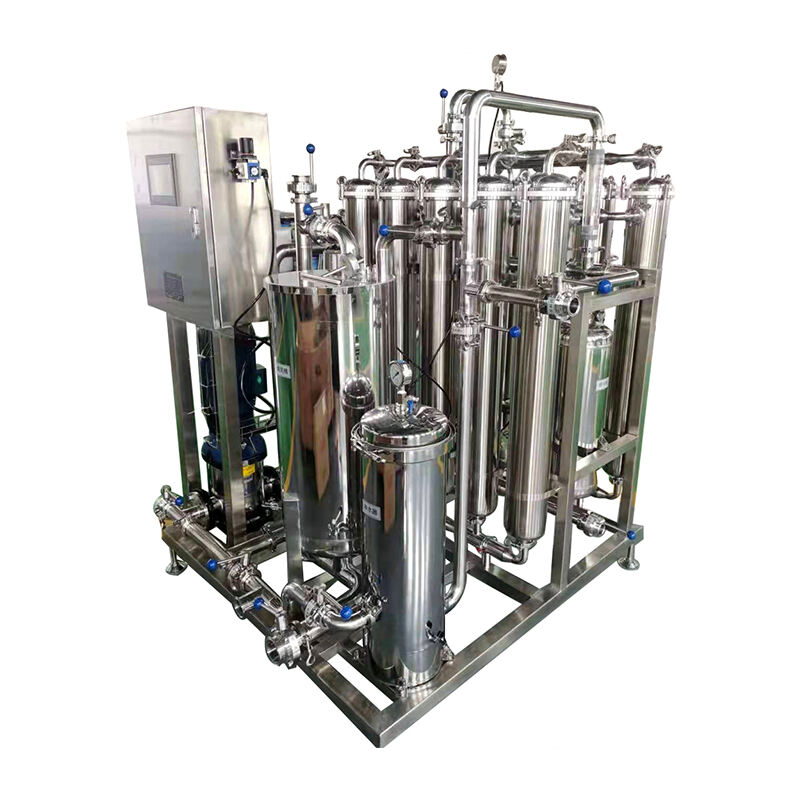
Hollow fiber cross-flow filter

VOCEE, a manufacturer specializing in membrane separation technology, provides systems for handling a wide variety of water and liquid.
Factory Building No. 9, Building 1, No. 33 Xinbei Road, Jianggao Town, Baiyun District, Guangzhou, China
Copyright © Guangzhou Vocee Membrane Technology Co.,Ltd. All Rights Reserved. Privacy Policy Blog